




Cudeman Haakon 137-L in olive wood: the classic skinner from Albacete
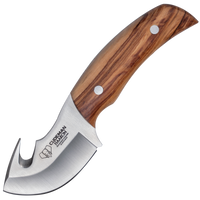
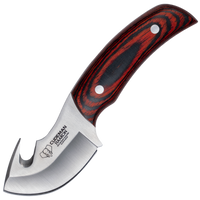
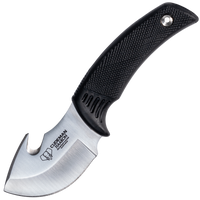
The care taken in dressing the game defines the methodical hunter. Designed for those who prefer fine wood over synthetic composites, the Cudeman Haakon, reference 137-L with olive wood scales, embodies the hunting tradition of Albacete knifemaking. More than a general-purpose knife, this is a specialised skinner whose cutting geometry and warm aesthetics aim to make field dressing clean and respectful of the trophy.
Its wide belly combined with a compact format turns it into something of a field scalpel that sits naturally in the palm. It is a sound choice for anyone who needs total control of the cut without damaging the meat or the hide while still appreciating time-honoured materials.
Features that set it apart
- Safe opening of the carcass: the skinner hook set into the spine opens the hide with a continuous pulling cut, reducing the risk of puncturing the viscera.
- High-precision handling: the 7 cm full-tang blade with a 4.5 cm belly works like a razor-sharp spatula, comfortable in tight spaces and easy on the wrist.
- Natural feel: the wood offers a pleasant grip during cold dawn outings and settles into the hand better than any synthetic scale.
- Firm balance: its well-judged centre of gravity makes it easy to control the depth and direction of every incision to the millimetre.
Steel and edge performance
The blade is made from molybdenum vanadium steel with a hardness of 54/56 HRc. This alloy is widely favoured among Spanish hunters because it keeps a biting edge throughout the entire breakdown and offers good protection against the corrosion caused by blood and field moisture. The hollow grind allows the edge to be refreshed quickly: a few passes with a sharpening steel out in the field are enough to restore its cutting power.
Construction and durability
Despite its refined looks, the Haakon is a fully full-tang knife: a single sheet of steel 3.8 mm thick runs from the hook to the end of the handle, leaving no weak points under stress. That continuity makes it reliable for dressing game, though it is worth bearing in mind that its slim profile is conceived for slicing tissue and hide, so it should not be used as a hammer or a pry bar.
Handle and grip in real use
The character of this model is born in its satin-finished natural olive wood scales. This Mediterranean wood, fixed to the steel frame with flat aluminium rivets, adds aesthetic value and provides a porosity that improves the hold. The ergonomic profile of the 10.5 cm handle seats the fingers in place and ensures a secure grip even with soiled hands.
Sheath and carry
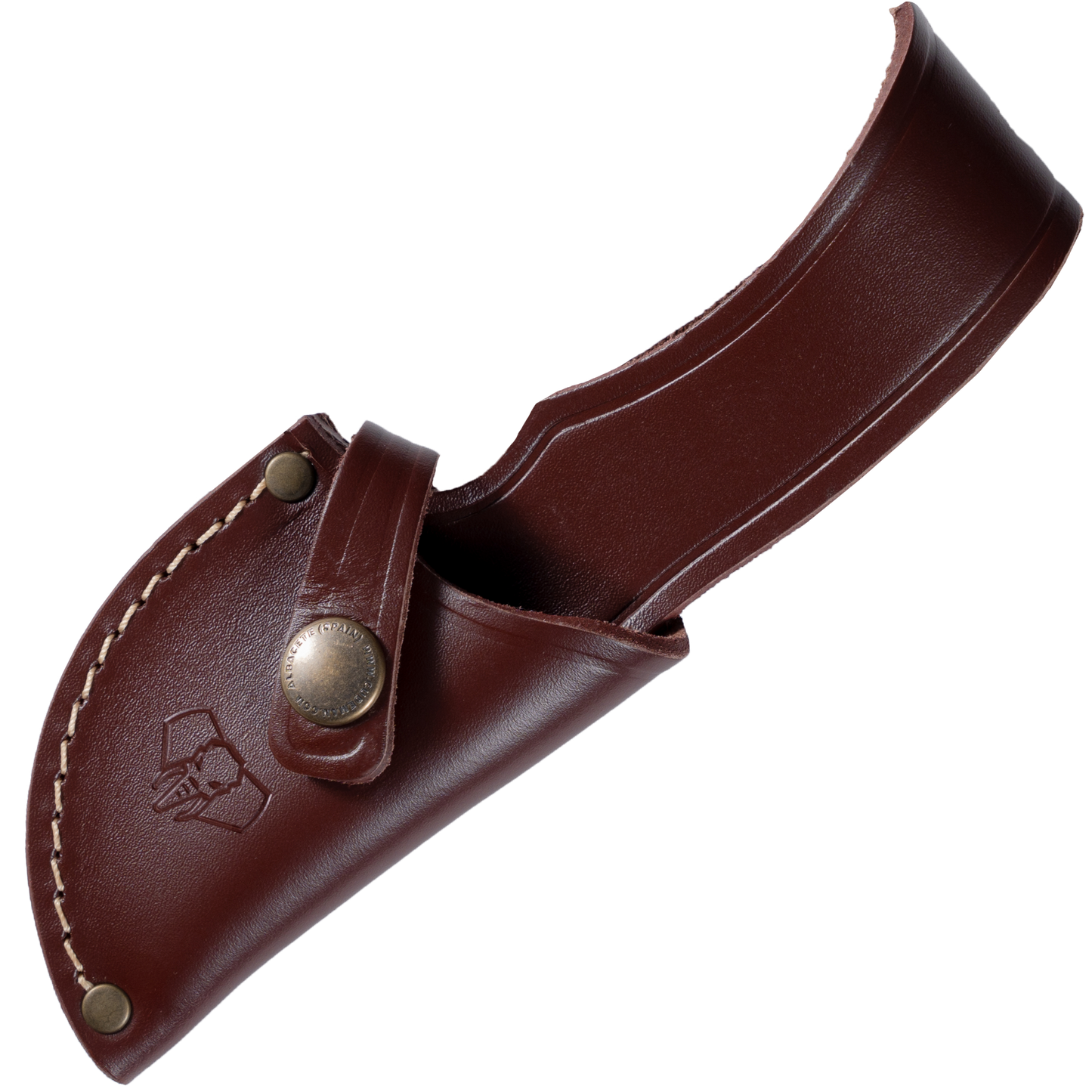
The knife comes with a carefully made brown leather sheath of Spanish manufacture. Its vertical carry keeps the knife firmly secured to the belt and protects both the sharp skinner hook and the wearer during movement through the brush towards the next stand.
Use cases
- Skinning big game: its primary purpose, removing the hide of large ungulates with remarkable speed and neatness.
- Fine dressing between joints: the short, wide blade works through the animal's anatomy, separating tendons and meat with precision.
- Trophy preparation: a useful tool for the hunter who processes their own game, with clean cuts that later make taxidermy easier.
Care and maintenance
- Cleaning after the job: rinse the steel with soap and water to remove grease and traces of blood, and dry it thoroughly before storing it in the sheath.
- Caring for the wood: as this is natural olive wood, keep it in a dry place and apply a few drops of linseed oil from time to time to feed the grain, enhance the figure and prevent it from drying out.
- Touching up the skinner: use a cylindrical diamond sharpener to keep the inner curve of the skinner hook always cutting.
- Honing the edge: use a fine sharpening steel on the molybdenum vanadium steel to leave the main edge ready before every outing.
The Cudeman Haakon 137-L in olive wood pays tribute to traditional hunting and to work well done. Available at Navajeria, it is a tool worthy of the most demanding days in the field.


