




Cudeman SVK II (252-M): the survival bolo machete forged for extreme terrain
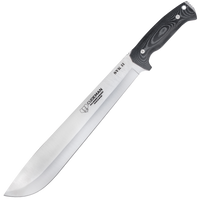
This black version of the Cudeman SVK II (252-M) is a brush-clearing tool built for anyone after raw performance without giving up a low-key profile. Its origins are tied to a real-world test: in 2017, Cudeman equipped the contestants of the show "La Isla" on Spain's La Sexta channel, hosted by Pedro Garcia Aguado. Of the twelve prototypes sent, made at the time from a high-hardness steel, three ended up cracking as they couldn't withstand the vibration of repeated impacts against wood. That failure drove the definitive redesign of the model.
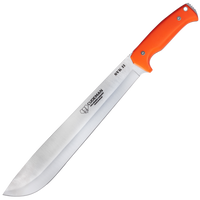
As a result of that experience, the alloy was replaced with molybdenum-vanadium steel, considerably tougher and more flexible, which eliminated breakages entirely. This understated, dark-toned version is positioned as an elegant alternative to the orange finish of the original reference (252-J), aimed at the user who prefers low-profile gear with a classic, tactical look for the outdoors.
Reasons to choose this machete
- Discreet profile: its tactical finish lends a sober look and keeps the tool away from prying eyes without sacrificing effectiveness.
- Cutting through inertia: the 31.5 cm blade and a generously wide belly multiply the force of every strike, easing the hardest work.
- Secure grip: the lanyard hole stops the tool from slipping out of your hand once muscle fatigue sets in.
Steel and edge behaviour
In a machete, what matters is taking the punishment without chipping. The molybdenum-vanadium steel, with a hardness treatment of 54/56 HRc, provides the flexibility that sustained chopping demands: it absorbs impacts, reduces the vibration transmitted to the wrist and keeps an edge that is easy to bring back on the trail with a portable sharpener.
Construction and durability
The knife uses a full-tang format: a single piece of 3 mm thick steel runs from the machete-style tip to the end of the handle, which explains the solidity of its 450 gram weight. The assembly uses stainless steel Allen bolts and internal threaded brass bushings. It is a build designed to fell and clear wood relentlessly; for the sake of technical accuracy, it is worth remembering that its flat profile is not intended for forced prying.
Handle and control in real use
Handling the tool is precise thanks to the satin black Micarta scales, which contrast with a red spacer. The Micarta holds a firm grip even when hands are wet with sweat, rain or mud. When you need to choke up on the grip and meter your force, the spine features a jimping section to rest the thumb in a non-slip way, and the rear end is finished with a solid skull-crusher pommel suitable for striking in extreme situations.
Sheath and carry
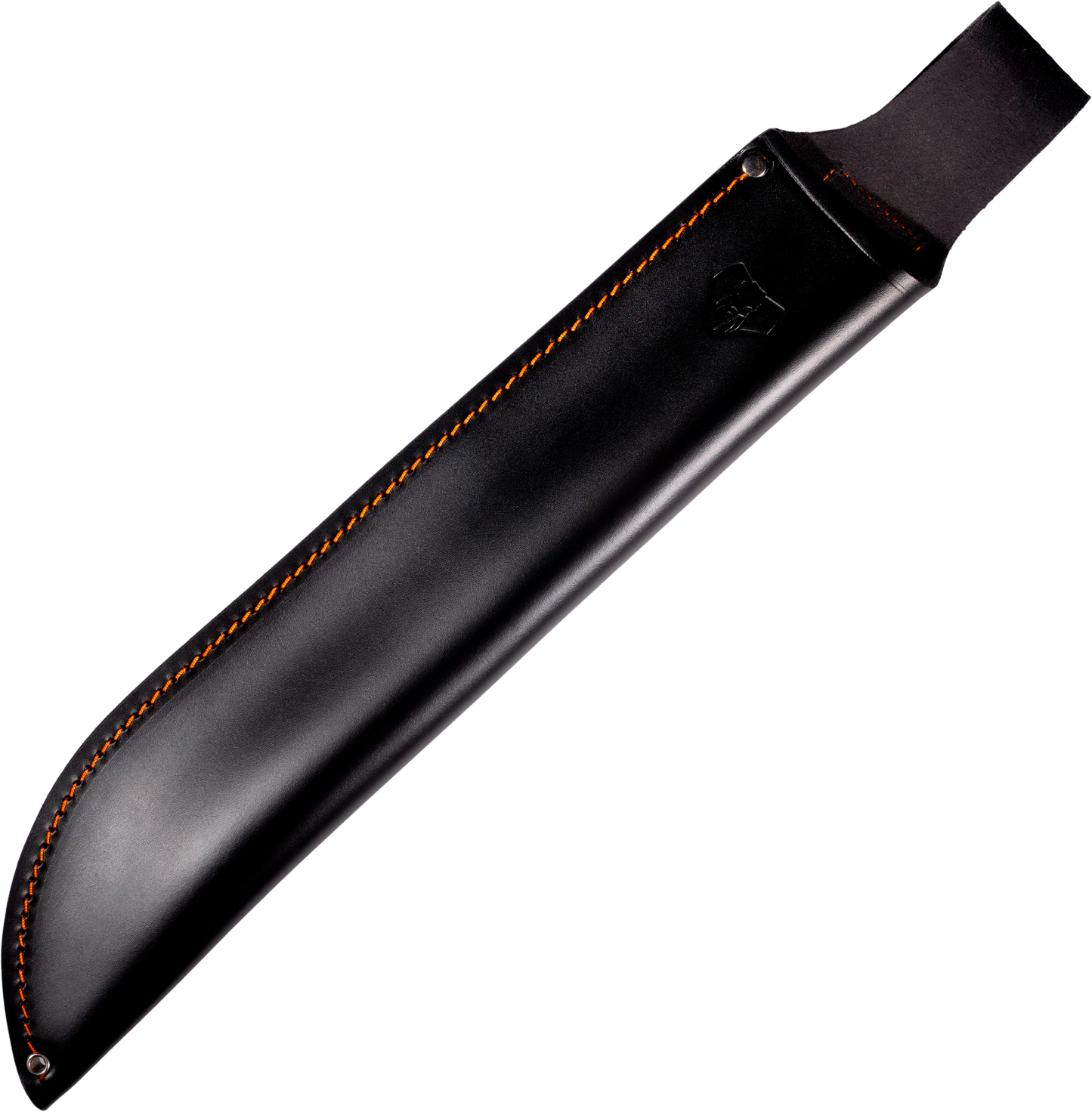
An edge of this size demands secure carry. The model ships with a black leather sheath stitched in red to match the scales, made entirely in the Cudeman workshops. The design wraps the blade firmly, lets you carry it stable on the belt without hindering your progress through dense undergrowth and allows a quick, clean draw.
Common applications
- Opening tracks and paths closed off by brambles or vines.
- Preparing medium-thickness wood to build bivouacs and emergency shelters.
- Cutting branches and light firewood to feed the fire at base camps.
Care and maintenance
- Wash the blade at the end of the day with warm water and neutral soap to remove clinging resin and sap.
- Dry the molybdenum-vanadium steel completely before storing it; always run an absorbent cloth over the whole surface.
- If it is going to sit unused for weeks, protect the metal from rust with a few drops of mineral oil.
- Restore bite to the edge with a sharpening stone or a carbide sharpener, keeping the original grind angle.
- The black Micarta scales are a stable synthetic material: they need no oils or conditioning, just brush them to remove dry dirt.
The Cudeman SVK II (252-M) combines the discretion of black with proven performance under real pressure. Made by Cudeman in Albacete and available at Navajeria with shipping across mainland Spain.


